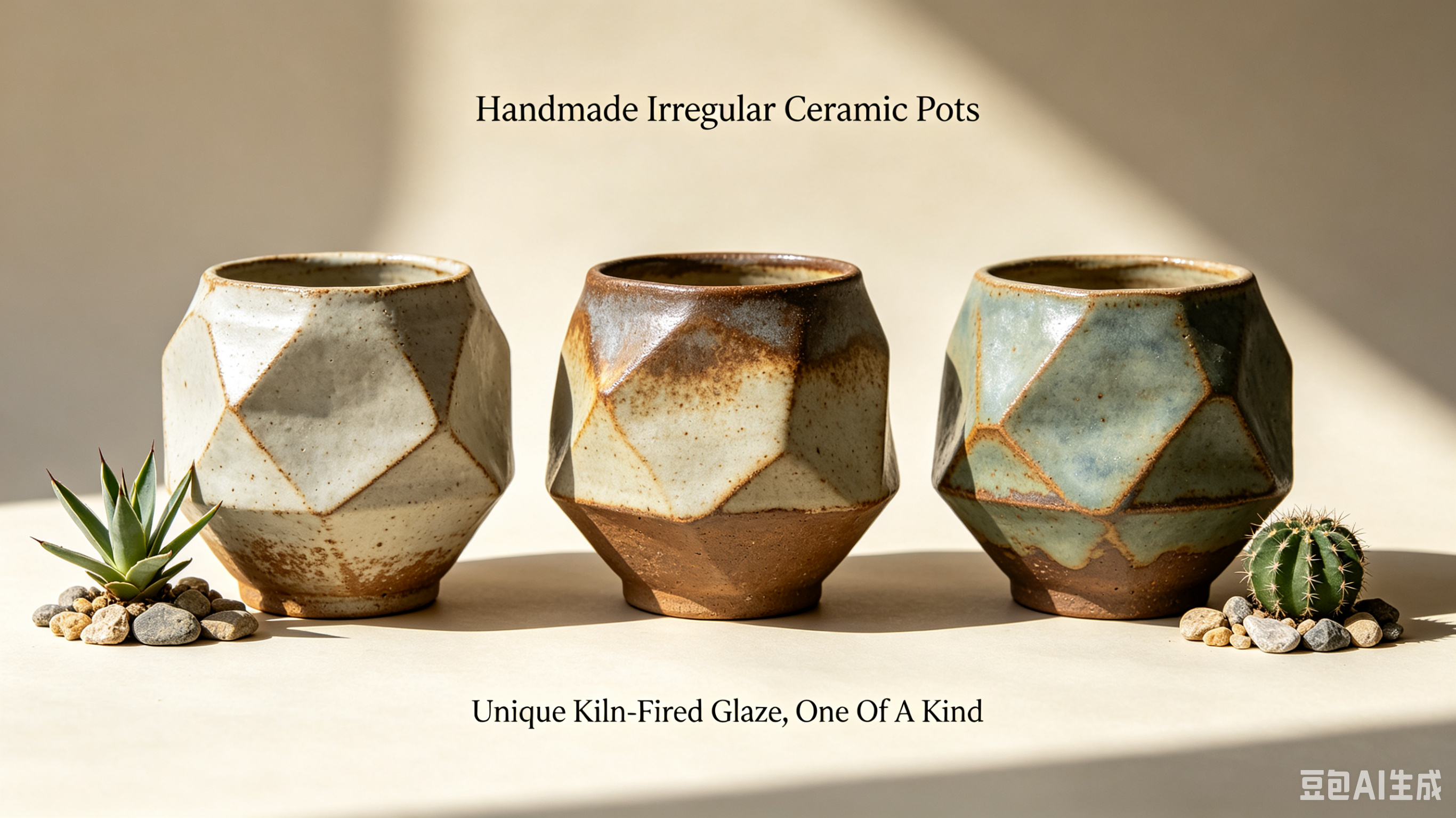
Choosing the right flower pot may seem like a small detail in gardening, but it can profoundly affect the health, growth, and beauty of your plants. A pot is not simply a container—it's an essential part of your plant’s ecosystem and a major factor in your garden or home’s overall look. Welcome to “Flower Pot Teaching: The Ultimate Selection Guide for Choosing the Right Pot,” an in-depth tutorial designed to help you make informed, confident pot choices that will elevate your green spaces.
Why Choosing the Right Flower Pot Matters
The journey toward a thriving plant collection begins with your choice of pot. Selecting the correct flower pot goes beyond aesthetics; it directly impacts plant vitality and your overall experience as a gardener. **Supports Healthy Plant Growth** The right flower pot provides your plant with the space and environment needed for strong root development. When roots have enough room and air circulation, plants absorb nutrients efficiently and flourish. **Enhances Home Decor and Outdoor Appeal** Flower pots come in countless sizes, shapes, and colors. The right selection can transform a basic plant into a standout decor piece, complementing your style and brightening up indoor corners or outdoor patios. **Prevents Common Gardening Problems** Improper pots can lead to issues like root rot, stunted growth, or even pests. Learning to choose suitable flower pots can stop problems at the source, ensuring a smooth and enjoyable gardening journey.
Key Factors to Consider in Flower Pot Selection
With so many options available, it’s essential to weigh several factors as you choose flower pots for your plants. Let’s dive into the most critical considerations. **Material Types** - **Terracotta:** These clay-based pots are breathable, helping soil dry out and reducing the risk of overwatering. Their classic, rustic appearance suits traditional décor, but terracotta is relatively heavy and can break easily. - **Plastic:** Lightweight, cost-effective, and available in a broad spectrum of colors and shapes, plastic pots are ideal for those seeking versatility and easy handling. However, they can retain water, so proper drainage is essential. - **Ceramic and Glazed Pots:** These are often chosen for their decorative appeal and variety of colors. Their glaze limits breathability but helps retain soil moisture—a boon for moisture-loving plants. Their weight adds stability, making them perfect for windy balconies. - **Metal, Wood, and Eco-Friendly Alternatives:** Metal pots deliver modern flair but can heat up in sunlight, which may stress delicate roots. Wooden pots blend beautifully with natural settings but require proper treatment to avoid rotting. Eco options (such as biodegradable pots) are ideal for those prioritizing sustainability. **Size and Shape** - **Matching Pot Size to the Root System:** Always select a pot that is slightly larger than your plant’s current root ball. Too small, and roots become cramped; too large, and soil retains excess moisture, inviting root rot. - **Tall vs. Wide Pots:** Tall pots suit deep-rooted plants (like palms or some perennials), while shallow, wide pots are perfect for cacti, succulents, or cascading plants. **Drainage Essentials** - **Importance of Drainage Holes:** Flower pots must have proper drainage to prevent waterlogging, which can damage roots and kill your plant. Choose pots with one or more holes at the base. - **How to Add Drainage if Missing:** If you fall in love with a drainage-less pot, you can add a layer of rocks or gravel at the bottom and use well-draining soil, but drilling small holes is always the healthiest option.
Choosing a Flower Pot Based on Plant Needs
Every plant species comes with its unique requirements—understanding these is vital for optimal pot selection. **Pots for Succulents and Cacti** These arid plants require excellent drainage and minimal moisture retention. Terracotta pots are ideal, as the porous clay allows roots to "breathe" and excess water to evaporate. Choose wide, shallow containers with multiple drainage holes. **Pots for Orchids and Tropical Plants** Orchids need airy, loose roots and often thrive in slotted or mesh pots designed for maximal ventilation. Many tropical plants prefer glazed ceramic or plastic pots that retain moisture, but ensuring at least one large drainage hole is crucial for all. **Pots for Herbs and Edible Plants** Many herbs and edibles, like basil or strawberries, do best in medium to large pots made from plastic or ceramic. These materials help maintain moisture while providing enough space for foliage and food production. Consider raised beds or stacked planters for variety and accessibility. **Ornamental and Large Statement Plants** For indoor trees or large decorative plants (like fiddle leaf figs or monstera), opt for sturdy ceramic or concrete pots. Select sizes that allow for 2-3 years of root growth, as these plants do not wish to be repotted frequently.
Flower Pot Styles and Designs: Blending Beauty with Function
Apart from practical aspects, flower pots contribute significantly to the aesthetics of your space. **Classic vs. Contemporary Styles** Terracotta and simple ceramic pots evoke timeless beauty, pairing well with all plant types and traditional décor. For a modern interior, sleek plastic, metal, or minimal-glazed pots in solid colors can create striking contrast against lush green foliage. **Decorative Add-Ons** Look for pots adorned with patterns, textures, or even built-in plant stands. Hanging planters, macrame holders, and wall-mounted pots allow you to add vertical greenery and maximize floor space. **Groupings and Arrangements** Grouping pots in varying sizes and colors creates eye-catching displays, both indoors and out. Mix-and-match styles for an eclectic vibe, or stick to uniform shapes with difference in height for a more structured presentation.
DIY Flower Pot Ideas to Personalize Your Garden
Feeling creative? You can upcycle almost any container into a flower pot. - **Repurpose household items:** Old teapots, tin cans, or boots can become quirky planters—just add drainage holes! - **Paint or decorate:** Jazz up plain pots with non-toxic paints, stencils, or twine for a personalized look. - **Create modular planters:** Stackable or modular designs built from crates, pallets, or recycled materials can maximize small-space growing.
Care Tips for Potted Plants
No matter how perfect your flower pot, a little care goes a long way in keeping your plants healthy. - **Watering:** Adjust your watering based on pot material—clay dries quickly, while plastic retains moisture. - **Repotting:** Annually inspect roots. If they circle the bottom or push out of drainage holes, it’s time to move up a size. - **Cleaning:** Scrub pots before reusing to avoid soil-borne diseases. A simple solution of one part vinegar to nine parts water works wonders.
Conclusion: Unlock the Potential of Pot Choices
Choosing the right flower pot is more than a box to tick off your gardening list—it’s the foundation of plant health, beauty, and long-term success. Whether you’re tending a single indoor succulent or a flourishing balcony garden, the ultimate selection guide above empowers you to pick pots that harmoniously blend form and function. With “flower pot teaching” as your go-to strategy, you’ll create a vibrant, healthy, and stylish green space that continually brings you joy. **Ready to transform your plant collection? Start with your next perfect flower pot—and let your garden grow beyond expectations!**