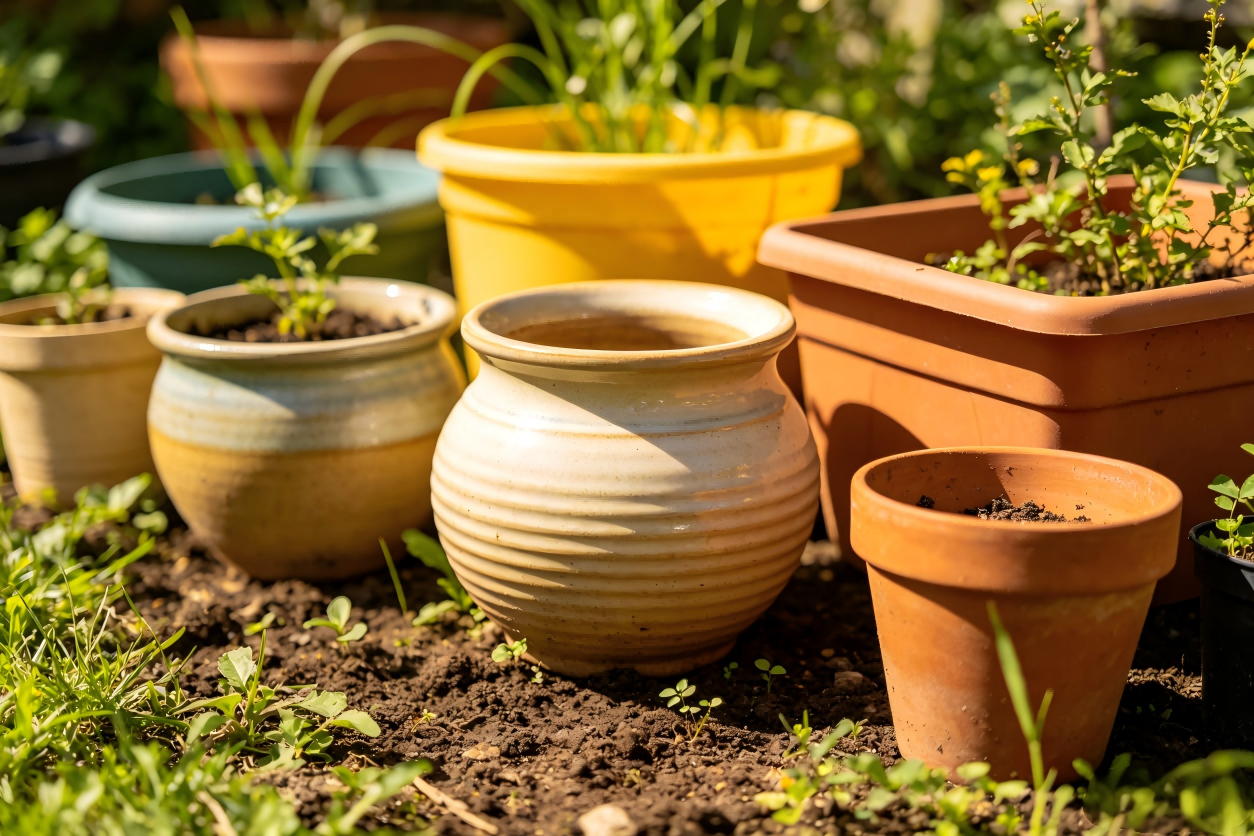
What are the advantages of ceramic flower pots compared to plastic or metal pots?
=================================================================================
When building a thriving indoor or outdoor garden, choosing the right type of flower pot plays a crucial role in your plants' health and the overall aesthetic of your space. Among the most popular materials available are ceramic, plastic, and metal. Each option presents unique features, but ceramic flower pots offer a range of advantages that make them a favorite for both experienced gardeners and beginners. In this blog, we’ll explore the key benefits of ceramic flower pots compared to their plastic and metal counterparts, helping you make an informed choice for your green oasis.
Aesthetic Appeal of Ceramic Flower Pots
One of the main reasons plant enthusiasts love ceramic pots lies in their exceptional visual appeal. Unlike mass-produced plastic or industrial-looking metal pots, ceramic containers come in an array of colors, shapes, and finishes. Whether you’re drawn to vibrant hues or subtle, natural tones, there’s a ceramic pot to complement every décor style—from modern minimalist to rustic farmhouse.
Ceramic flower pots often feature hand-painted designs, textures, and glazes, adding a touch of timeless elegance to your home or garden. Their decorative value helps enhance any space, serving as both functional plant containers and beautiful accent pieces. Regardless of your interior or exterior design, ceramic pots can seamlessly elevate your plant display.
Superior Breathability and Drainage
Healthy roots are fundamental to robust plants. Ceramic pots are crafted from porous clay, allowing air and moisture to circulate more freely. This breathability plays a vital role in root health, as it promotes oxygen exchange and prevents soil from becoming overly compacted. The porous nature of ceramic also aids in natural moisture regulation, which is especially important for preventing root rot—a common problem in moisture-trapping containers.
In comparison, plastic pots are typically non-porous, retaining water for longer periods. While this can be advantageous in dry climates, it often leads to overwatering issues or root rot if not monitored carefully. Metal pots, too, can hold excessive moisture unless additional drainage holes are provided. Thus, ceramic pots provide an ideal balance, ensuring your plant roots have the air and drainage they need to thrive.
Temperature Regulation Benefits
Temperature fluctuations can stress plant roots, leading to stunted growth or wilting. Ceramic flower pots offer natural insulation properties, helping to moderate soil temperature effectively. Ceramic acts as a buffer against rapid temperature changes, protecting delicate roots from both heat and cold.
Metal pots, in contrast, tend to absorb and radiate heat quickly, which can cause soil to overheat and harm root systems, especially in direct sunlight. Plastic pots are generally more susceptible to cracking or deforming when exposed to extreme temperatures. With ceramic pots, your plants benefit from a stable environment, making them suitable for both indoor and outdoor settings.
Eco-Friendliness and Sustainability
In today’s environmentally conscious world, the sustainability of garden products is more important than ever. Ceramic flower pots are traditionally made from natural, non-toxic clay that’s fired at high temperatures. Unlike plastic pots, which rely on petroleum-based materials and take centuries to decompose, ceramics are biodegradable over time and emit no harmful chemicals into the soil or atmosphere.
Furthermore, ceramic pots boast a long lifecycle—they resist UV degradation, weathering, and wear far better than plastic alternatives. Even when they do break, old ceramic fragments can be recycled as drainage material or used for creative garden projects. Choosing ceramic flower pots means reducing your environmental footprint while beautifying your space.
Durability and Longevity
Gardeners often seek containers that will stand the test of time and frequent use. Ceramic pots are well-known for their durability under normal conditions. Unlike plastic, which can become brittle, fade, or crack when exposed to sunlight, ceramic resists discoloration and distortion. Metal pots, while sturdy, may rust or corrode over time, particularly when subjected to moisture.
When cared for properly, ceramic flower pots can retain their shape, color, and finish for years. They are less prone to scratches and scuffs—making them a wise investment for discerning gardeners who want plants to look their best season after season.
Ideal for Moisture-Loving and Sensitive Plants
Certain plant species require very specific growing conditions. Succulents, orchids, ferns, and many houseplants thrive when their roots receive just the right amount of air and moisture. Ceramic pots excel in supporting these moisture-sensitive plants due to their controlled porosity and stable microclimate.
For succulents and cacti, for example, ceramic pots help prevent the dangers of overwatering. For humidity-loving ferns and tropical plants, they provide consistent moisture without waterlogging the roots. The versatility of ceramic containers makes them suitable for a vast variety of species, ensuring happier, healthier plants.
Potential Drawbacks to Consider
While ceramic flower pots have numerous advantages, it’s important to recognize a few potential drawbacks. First, their heft can be both a pro and a con. While their heavier weight provides stability and prevents accidental tipping, it also makes them less portable—something to consider if you like rearranging your plants or need to bring them indoors for the winter.
Ceramic is also more fragile than plastic or metal, so dropping a pot may result in chips or breakage. Additionally, ceramic pots generally cost more upfront, due to the craftsmanship involved in their creation. However, their durability and aesthetic lifespan often offset the initial investment.
Ceramic vs Plastic vs Metal: A Quick Comparison Chart
| Feature | Ceramic Pots | Plastic Pots | Metal Pots |
|--------------------|------------------------|---------------------|------------------------|
| Aesthetic | High, artistic | Plain, varied | Industrial, modern |
| Breathability | Excellent | Poor | Poor |
| Drainage | Good | Variable | Variable |
| Temperature Control| Excellent | Fair | Poor |
| Durability | High, if not dropped | Prone to aging | Can rust/corrode |
| Eco-Friendliness | Very good | Poor | Moderate, recyclable |
| Price | Higher upfront | Budget-friendly | Moderate to high |
| Weight | Heavy | Lightweight | Variable |
Conclusion: Are Ceramic Flower Pots Worth It?
Ceramic flower pots offer a harmonious blend of aesthetics, plant health benefits, durability, and sustainability that is hard to match with plastic or metal alternatives. Their breathability enhances root development, their insulating properties protect plants from temperature extremes, and their eco-friendly credentials are increasingly important for modern gardeners.
While the cost and weight may give some pause, the long-term rewards—both for your plants and for the environment—often outweigh these considerations. Whether you’re a novice houseplant parent or a seasoned green thumb, ceramic flower pots are a smart and stylish investment for any indoor or outdoor garden.
**Ready to upgrade your plant collection? Consider making the switch to ceramic flower pots and experience the difference firsthand!**
---
**Did you find this guide helpful? Share your favorite ceramic flower pot designs or tips in the comments below!**